
Personalized Outbound Strategy
Get The Right Outbound Strategy In Minutes
Enter your email to get a custom plan & stack recommendation for your business
It's being carefully crafted by AI
Please check your mailbox in 5 minutes
When I started comparing Cognism and ZoomInfo, I was trying to solve a common outbound problem.
Which platform actually gives cleaner prospect data?
Large databases look impressive on paper.
But in real campaigns, what matters is accurate emails, working mobile numbers, and the right decision-makers.
I’ve seen teams export thousands of contacts and still struggle to reach buyers.
So in this Cognism vs ZoomInfo comparison, I focused on what actually affects outbound results.
Database coverage, contact accuracy, prospecting filters, intent signals, and pricing.
Let’s break it down
If you’re choosing between Cognism and ZoomInfo, the decision usually depends on data coverage, compliance, and pricing.
Here is the quick breakdown.
I. Cognism - Best for teams focused on GDPR-compliant European contact data.
(Pricing is custom.)
II. ZoomInfo - Best for large US-focused databases with strong sales intelligence features.
(Pricing is enterprise-level and quote based.)
III. Leadsforge - Best for building targeted lead lists with ICP search and waterfall enrichment.
(Starts at $49/month with 2,000 export credits.)
I compared Cognism and ZoomInfo across 12 practical tests that matter when building B2B prospect lists.
Here are the key differences.
The size of a prospecting database decides how many potential buyers I can actually reach.
A larger database usually means better coverage across industries, roles, and regions.
So I started by comparing Cognism and ZoomInfo on database scale and regional strength.
Cognism provides access to 400M+ contacts.
When I ran searches for European decision-makers and mid-market companies, the results were solid.
The platform clearly focuses on EMEA markets and verified decision-maker data.
From what I tested, Cognism felt stronger when targeting UK and European companies.
ZoomInfo reports 500M+ professional profiles and 100M+ companies.
When I searched for US-based SaaS and technology roles, ZoomInfo returned very large datasets.
The platform is clearly built for large-scale prospecting and North American coverage.
ZoomInfo appears to have the larger database by volume.
Cognism’s database is smaller, but it performs well when targeting European decision-makers.
If I were choosing purely based on database size, I would lean toward ZoomInfo.
Database size matters. But for me, accuracy matters more.
If emails bounce or phone numbers don’t connect, the database size doesn’t help.
So I tested both tools using real prospect searches and exported contact lists.
Cognism focuses heavily on verified decision-maker data.
The platform builds contact records using its AI Data Fusion Engine.
It collects information from sources like company websites, press releases, public, and validated third-party vendors.
Each data point receives a confidence score before it is added to the database.
In my testing, most decision-maker contacts included usable emails and direct phone numbers.
The data felt reliable for targeted outbound lists.
However, some users on G2 mention that phone number coverage can vary depending on region and company size.

So while the verification process is strong, phone availability can still be inconsistent in some cases.
ZoomInfo provides verified emails, direct dials, and company intelligence inside the platform.
When I ran searches, most profiles included work emails, phone numbers, job titles, and company insights.
ZoomInfo collects and verifies data through its FuZIon data system.
This system gathers information from multiple sources. It validates data using AI, machine learning, and human researchers.
However, some G2 users mention that contact accuracy can vary across industries and regions when exporting large lists.

So while the coverage is strong, some records may still require additional verification.
When I export large prospect lists, even a few bad emails can hurt campaign performance.
That’s why I prefer using Leadsforge.
Leadsforge connects multiple B2B data sources and uses waterfall enrichment to find contact data.
If one source doesn’t return results, the system automatically checks another.
Emails are validated in real time, while LinkedIn profiles and phone numbers go through verification checks.
This helps me build cleaner prospect lists before starting outreach.
Database size is important.
But I also wanted to understand how the data is collected and verified.
So I looked at how both platforms build their contact records.
Cognism builds its database using its AI Data Fusion Engine.
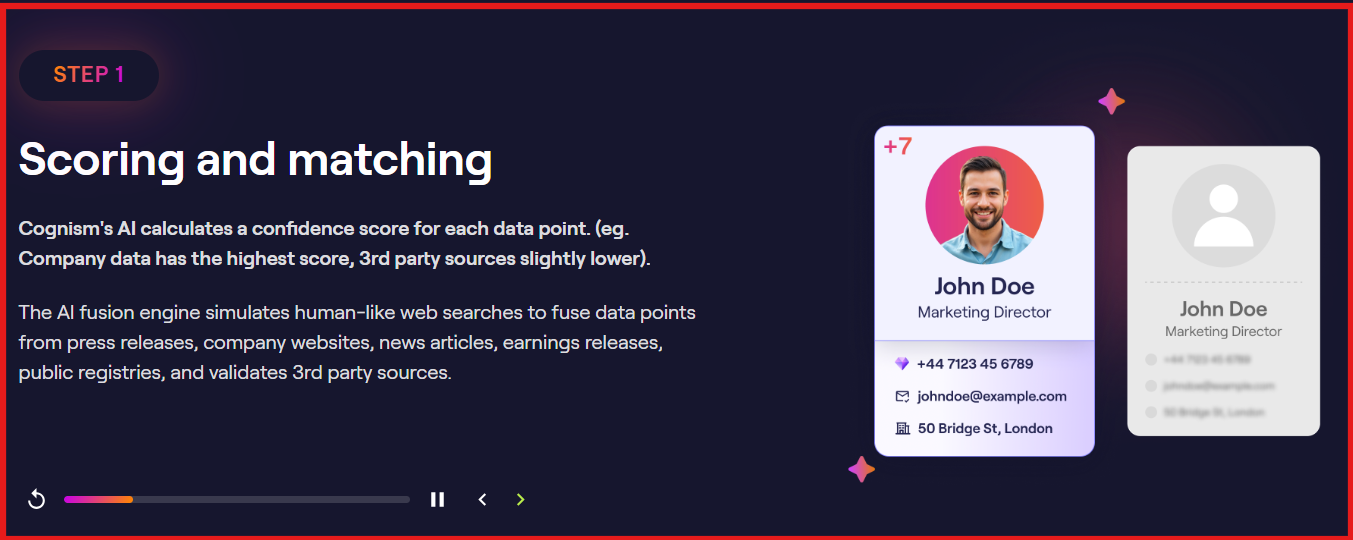
The platform collects data from multiple sources.
These include company websites, press releases, earnings reports, public registries, and news articles.
It also uses validated third-party data vendors.
The system combines many data signals to create contact records.
Each data point receives a confidence score based on the source.
After that, the data goes through several verification layers before entering the database.
In my testing, the data felt focused on decision-maker contacts.
However, because Cognism focuses on highly verified contacts, database coverage can sometimes be smaller.
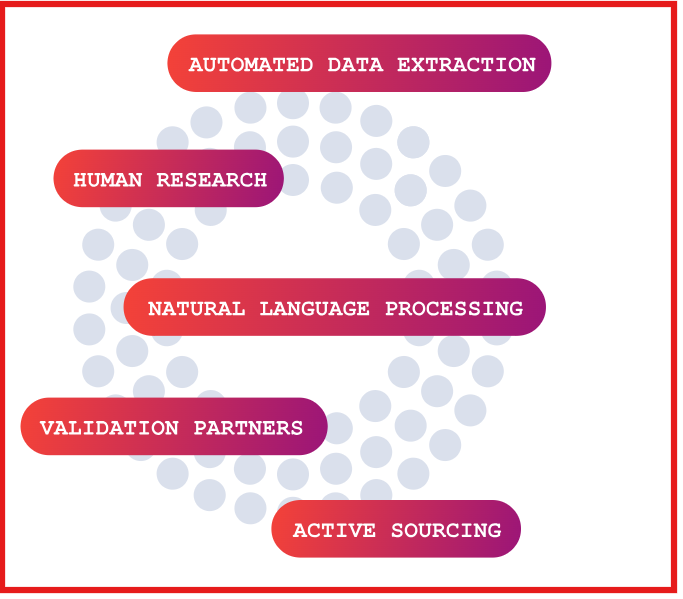
ZoomInfo collects data through its FuZIon data collection system.
The platform gathers information from web sources, third-party providers, community contributors, and internal research teams.
After collection, ZoomInfo processes billions of data points to build company and contact profiles.
Verification happens through multiple layers.
The platform uses AI, machine learning, natural language processing, and human researchers.
ZoomInfo also monitors and updates records continuously when data changes.
Because the database is very large, some exported contacts may still need additional verification.
Finding contacts is one step.
Knowing which companies might be entering a buying cycle makes outreach much sharper.
That’s where intent signals help.
So I tested how both tools surface buying signals when building prospect lists.
When I explored Cognism, I tested its Signal Data feature.
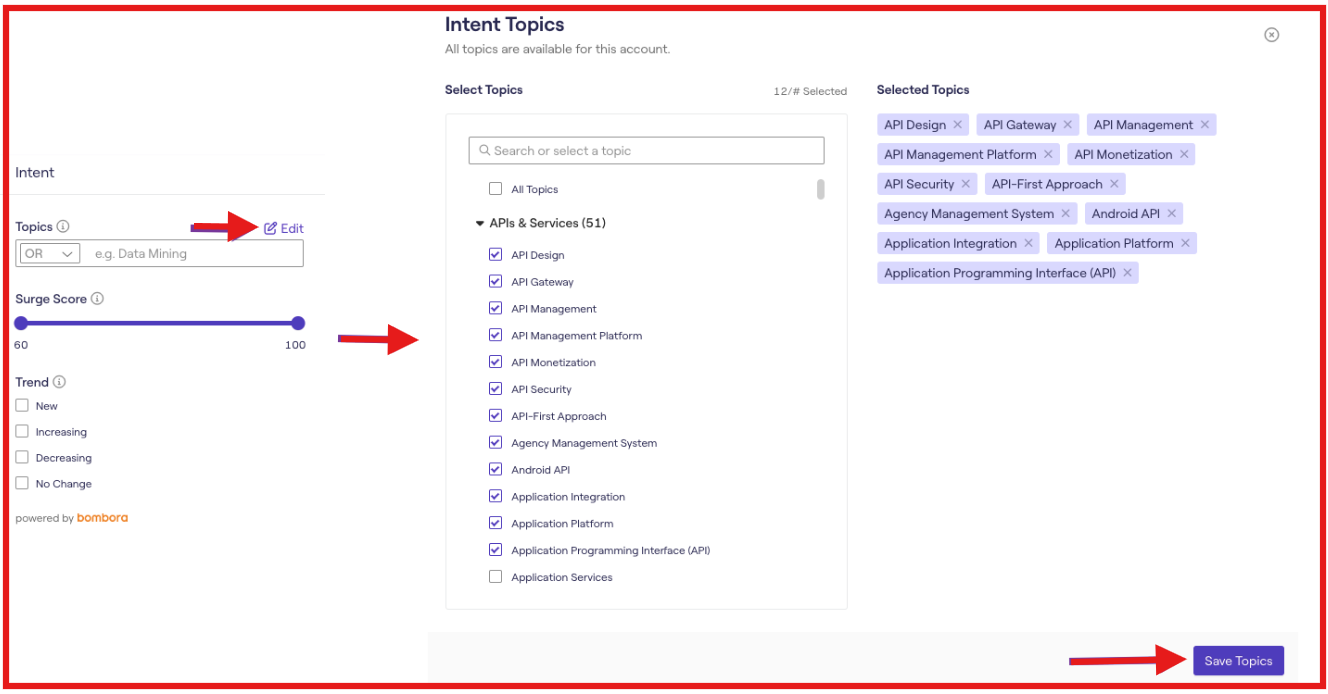
Most signals focused on company activity and market changes.
Examples included:
These signals helped me identify companies that might be preparing to invest in new tools.
Cognism also includes technographic data across 20,000+ technologies, which helped me see what software companies already use.
During my testing, I also saw intent topics powered by Bombora.
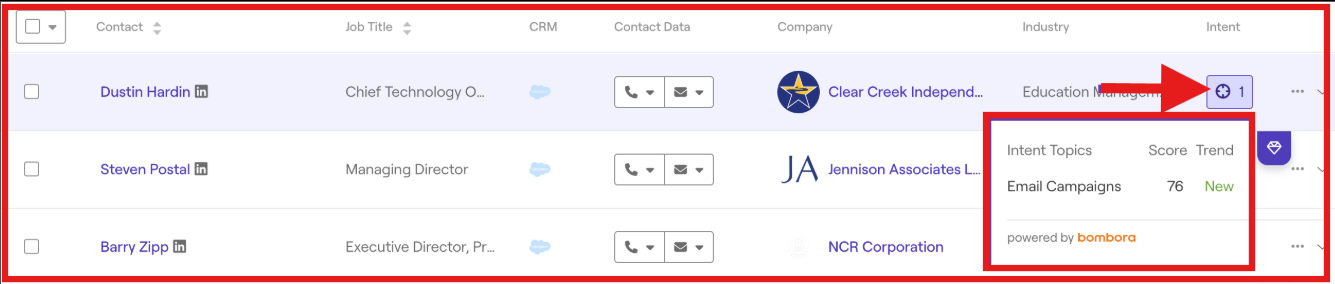
These signals highlight companies researching solutions related to your product.
The signals add useful context when prioritizing accounts.
When I tested ZoomInfo, the intent system worked differently.
The platform tracks buyer research activity across publishers and websites.
When I applied intent filters, the system highlighted companies researching specific topics related to my search.
This helped me identify accounts that might already be evaluating similar tools.
Prospecting tools depend heavily on search filters.
Good filters help sales teams find the right accounts faster.
So I tested how both platforms handle prospect search and targeting.
In Cognism, prospecting mainly relied on firmographic filters and signals.
I could narrow searches using firmographic filters, intent signals, and technographic insights.
The platform also highlights recommended accounts and contacts through Sales Companion.
This helped surface decision-makers faster without heavy manual research.
Cognism focuses on quality targeting and sales signals to guide prospecting.
ZoomInfo takes a different approach.
The platform offers 300+ search attributes for prospecting.
These filters include:
When I tested prospect searches, this made it easier to build very precise lead lists.
The large number of filters gives sales teams more control when defining their target market.
If prospecting relies heavily on granular filtering and deep search control, ZoomInfo is stronger.
Chrome extensions make prospecting faster.
They let sales teams find contacts while browsing LinkedIn or company websites.
So I tested how both tools handle browser-based prospecting.
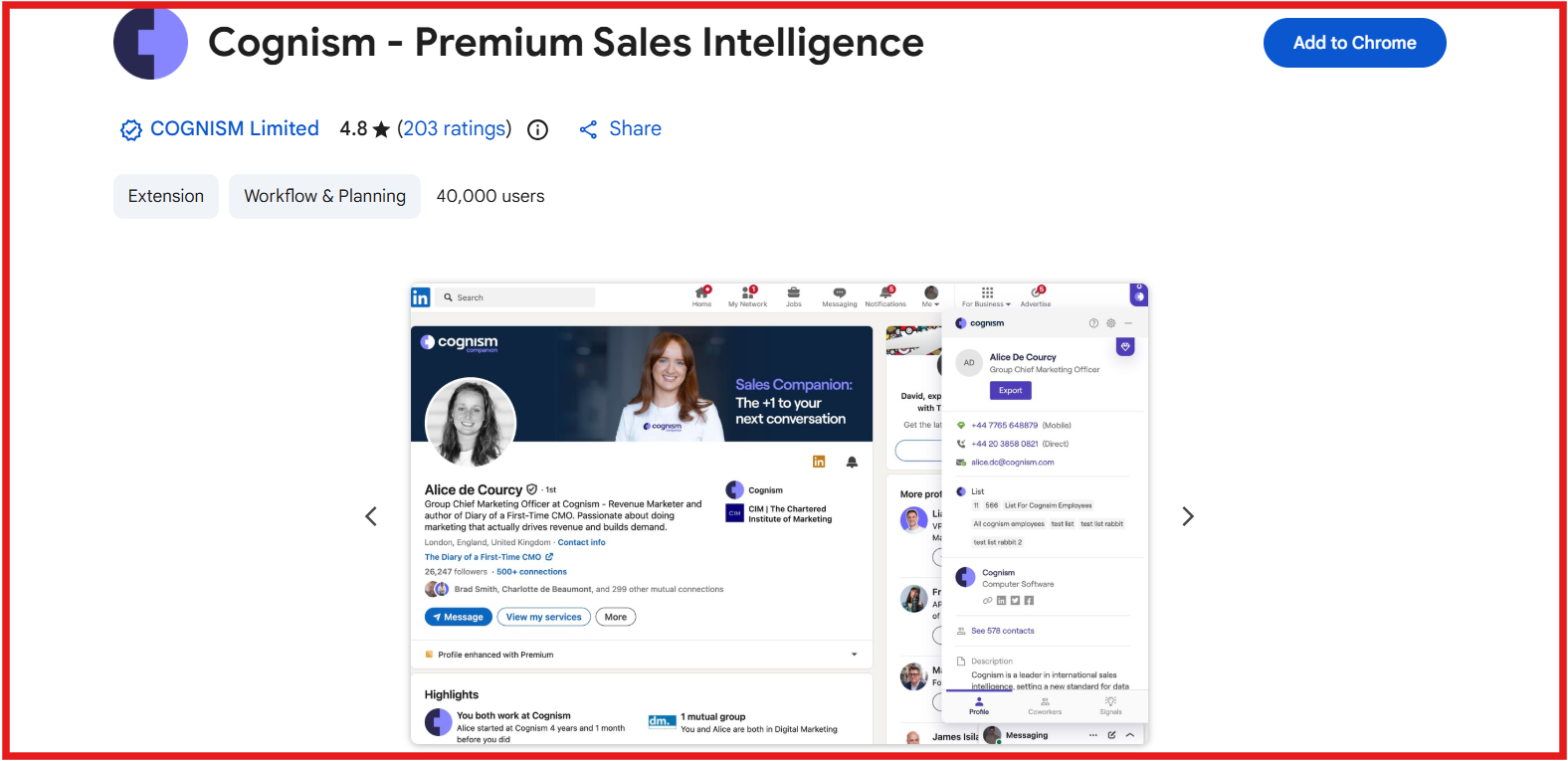
Cognism’s Chrome Extension mainly worked inside LinkedIn and Sales Navigator.
From a LinkedIn profile or company page, the extension could reveal:
It also helped identify multiple contacts inside the same account, which made account-based prospecting easier.
The extension can also push leads directly into the Cognism platform.
For teams doing heavy LinkedIn prospecting, this workflow felt efficient.
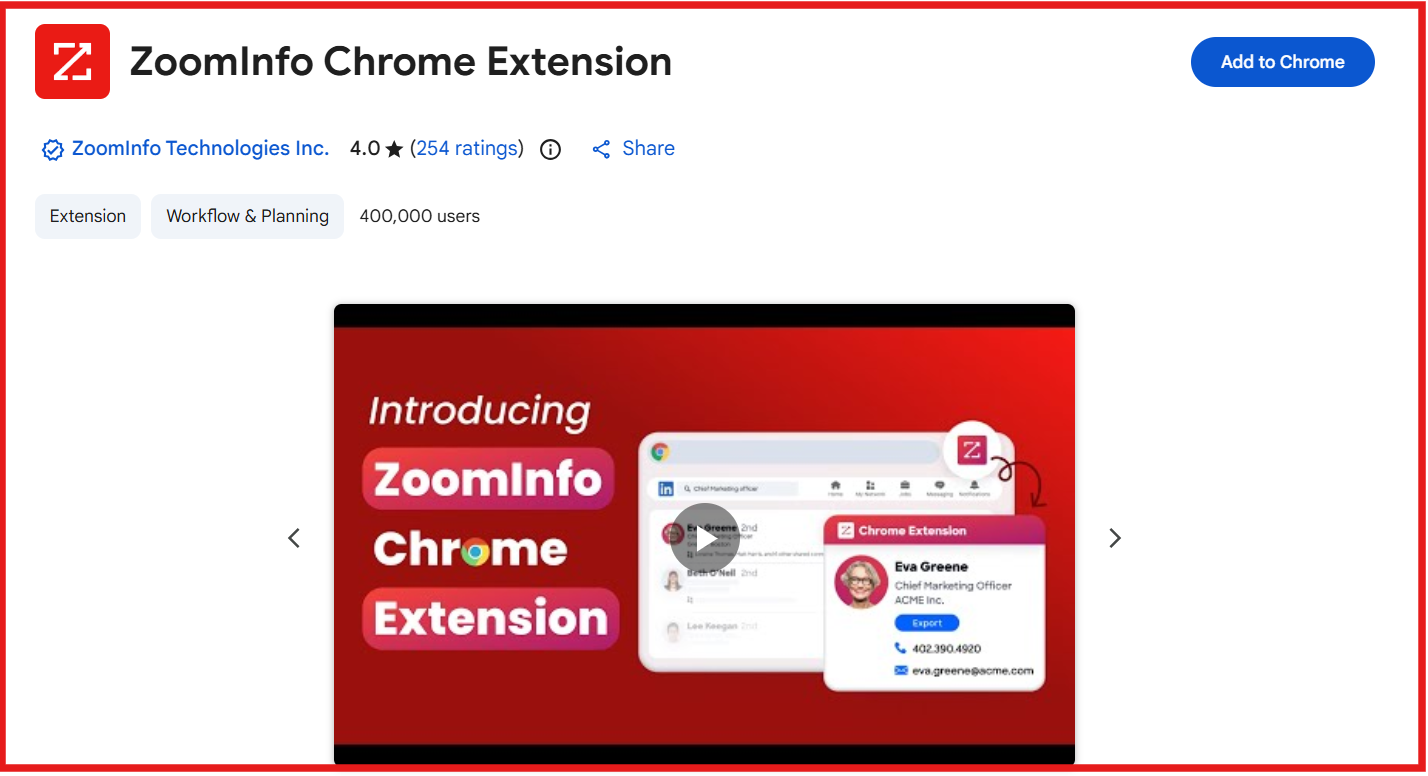
When I tested the ZoomInfo Chrome Extension, it worked across LinkedIn and many company websites.
The extension could instantly show:
ZoomInfo also allows users to export contacts to CRM tools or outreach platforms directly from the extension.
Because it works across more websites and integrates with sales workflows, the extension felt more flexible during prospect research.
For Chrome-based prospecting workflows, ZoomInfo performs better.
Most sales teams store prospects inside a CRM. So integrations matter when moving leads from a data platform into the sales workflow.
Here’s how both tools handle CRM connections.
When I tested Cognism, it connected directly with common CRM systems like:
It also integrates with sales engagement platforms like Outreach and Salesloft.
This allows teams to send prospect data from Cognism directly into their CRM or outreach tools.
The setup focuses on core sales platforms used by most teams.
ZoomInfo offers a broader integration ecosystem.
The platform connects with CRM systems like:
It also supports integrations with many additional tools across sales, marketing, and automation workflows.
This wider marketplace makes it easier to connect ZoomInfo with different GTM tools.
For integration coverage and ecosystem size, ZoomInfo performs better.
Direct dial numbers help me reach decision-makers without going through a company switchboard.
This matters when cold calling is part of the outreach strategy.
Here’s how Cognism and ZoomInfo approach direct dial data.
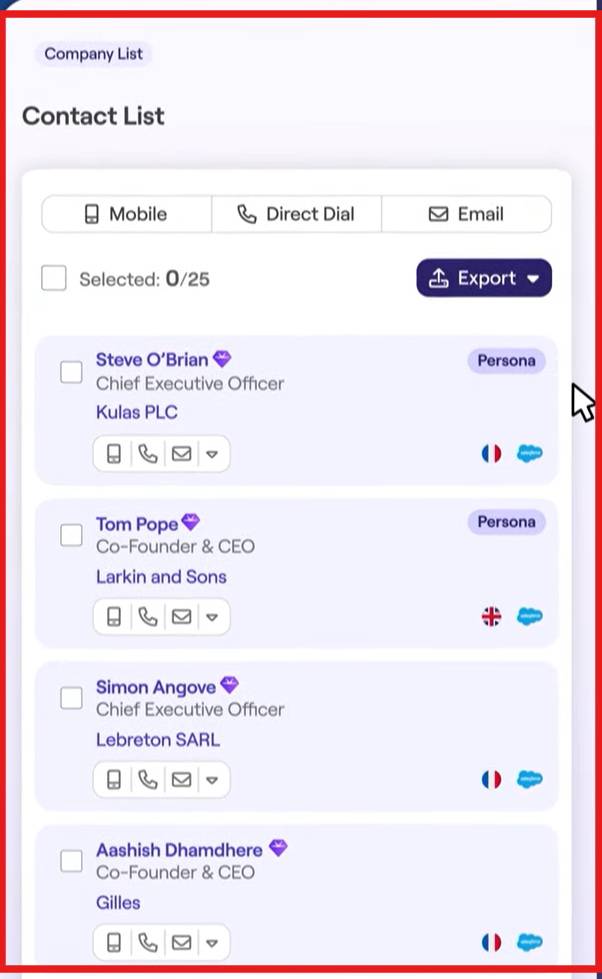
When I explored Cognism, the focus was clearly on verified mobile numbers.
Cognism phone data is often manually verified by their data team to confirm the number belongs to the correct prospect.
Some key things Cognism highlights:
Because of this verification process, Cognism positions its phone data around accuracy and compliance.
ZoomInfo focuses more on large-scale phone data coverage.
From what I saw, the platform provides access to a large contact database that includes:
This broader dataset makes it easier to find phone numbers across many companies and industries.
In practice, ZoomInfo emphasizes database scale and contact coverage for phone-based prospecting.
Technographic filters help me find companies using specific tools.
This helps when targeting companies that already use related software.
Here’s how Cognism and ZoomInfo approach technographic data.
When I explored Cognism, technographic filtering appears inside the prospecting platform.
I can filter companies based on technologies they use.
This helps narrow searches to companies that match my ideal customer profile.
For example, I can identify companies using:
Cognism also allows setting relevant technologies in the extension settings.
This helps surface prospects that match the technologies I care about.
ZoomInfo provides technographic intelligence inside its prospecting database.
The platform allows filtering companies based on the technologies they use in their stack.
Sales teams can search companies using tools such as:
These filters help build more targeted prospect lists.
Pricing in prospecting tools depends on various factors.
Enterprise licenses and data limits can increase the real cost quickly.
Here’s how Cognism and ZoomInfo structure their pricing.
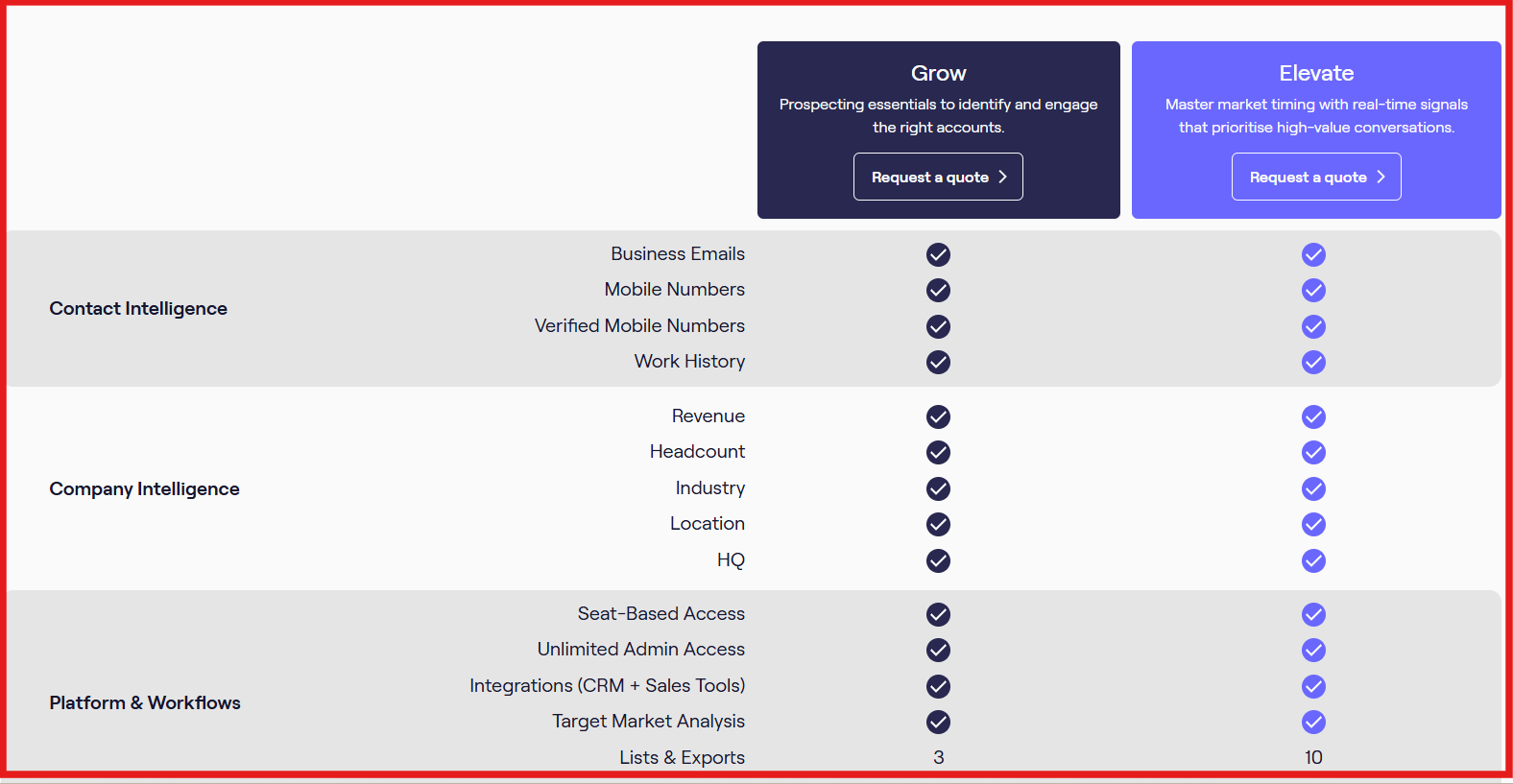
Cognism does not publish fixed pricing.
The platform uses custom enterprise contracts based on:
Because pricing is negotiated, the final cost can vary widely depending on the sales package.
For smaller teams, this makes it harder to estimate the real cost before speaking with sales.
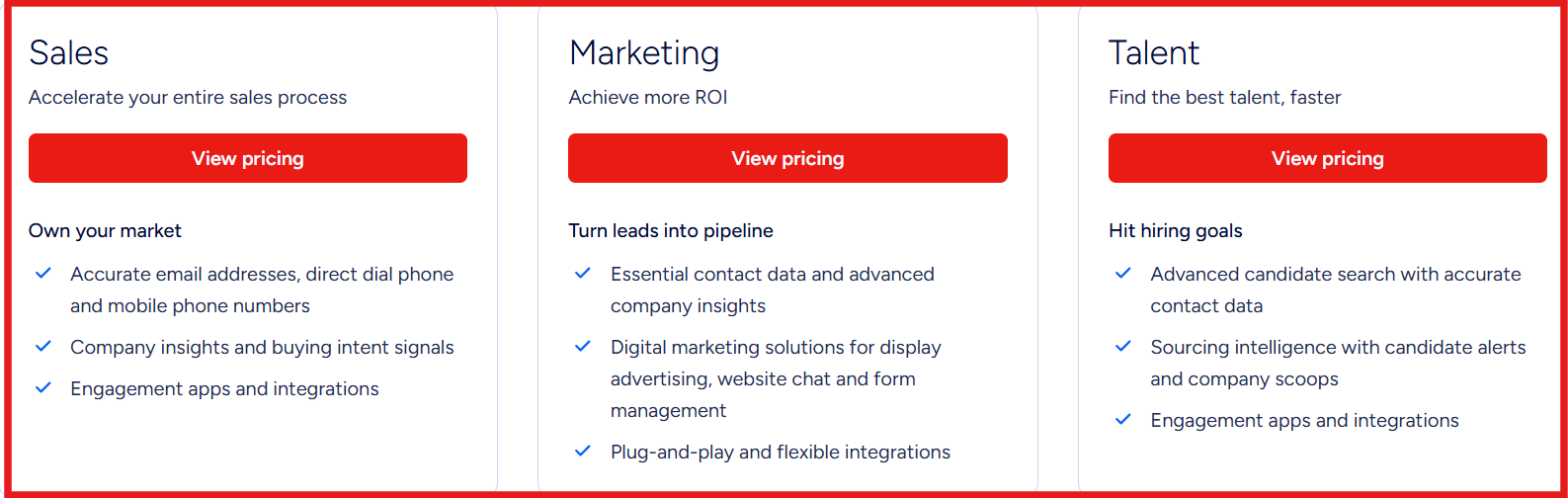
ZoomInfo also follows a custom enterprise pricing model.
Pricing usually depends on:
Since the platform bundles multiple products, pricing often increases as more features are added.
Many teams only understand the full cost after going through a sales call.
When pricing becomes hard to estimate, some teams look for tools that separate lead generation from enterprise data platforms.
That’s why I prefer to use Leadsforge.
Leadsforge starts at $49/month with 2,000 export credits.
The model works differently:
Instead of paying for a large platform license, the cost stays focused on how many leads I actually export.
For teams that mainly need targeted prospect lists, this pricing structure is easier to control.
When I prospect globally, data compliance matters. Sales teams must follow privacy rules when using contact data.
Here’s how Cognism and ZoomInfo handle compliance.
Compliance is clearly a big focus on Cognism.
Cognism checks phone numbers against 15+ Do-Not-Call (DNC) lists.
This helps sales teams avoid calling restricted numbers.
The platform also states that its data follows GDPR and CCPA regulations.
Cognism also verifies many mobile numbers to confirm they belong to the correct person.
Because of these checks, Cognism focuses on privacy-safe prospecting data.
From what I saw, ZoomInfo also follows global data privacy standards.
The platform focuses on enterprise-level data governance and compliance.
ZoomInfo states that its data practices align with major privacy regulations used by global companies.
This helps sales teams use contact data while staying within compliance rules.
Finding contact details is useful.
But sales teams also need complete and updated data about those contacts and companies.
I looked at how both tools enrich existing contact and company records with additional information.
When I explored Cognism, enrichment mainly worked through CSV and API enrichment.
I can upload a contact list and Cognism fills missing fields using its database.
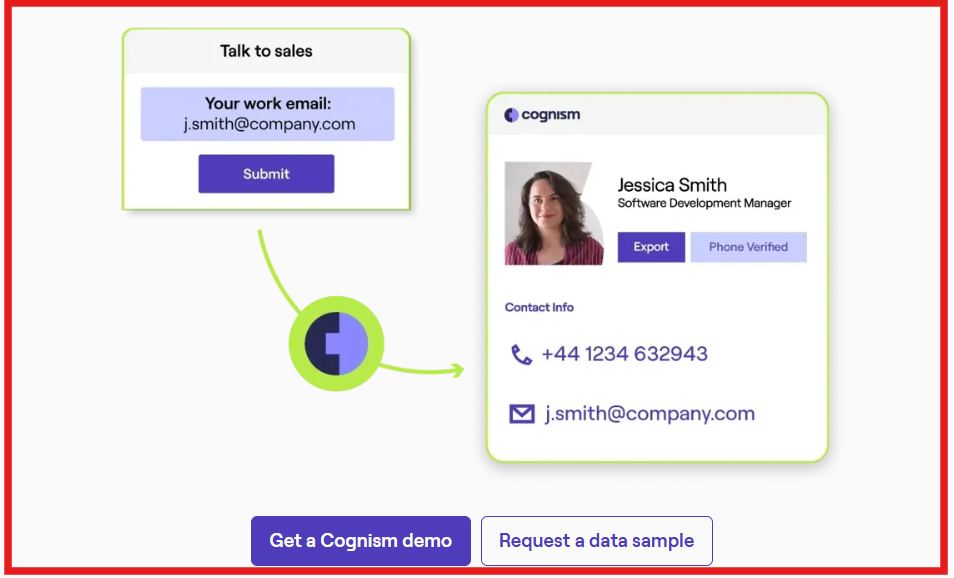
For example, it can add:
The platform also provides API enrichment.
This allows teams to enrich records automatically inside their CRM or internal systems.
From what I saw, this helps keep CRM data updated without manual research.
ZoomInfo also provides enrichment for CRM and marketing platforms.
It can update contact and company records with additional data.
For example:
ZoomInfo also supports automated enrichment workflows.
This allows teams to update CRM data regularly and keep records accurate.
However, when I build prospect lists, I prefer tools that combine lead search and enrichment in the same workflow.
Tools like Leadsforge follow this approach.
Instead of exporting leads first and enriching them separately.
I can search for prospects and get their emails, LinkedIn profiles, and phone numbers together.
Leadsforge also uses waterfall data enrichment.
It checks multiple data sources until verified contact details are found.
Because of this, I can build and enrich lead lists faster.
Enter your email to get a custom plan & stack recommendation for your business
Please check your mailbox in 5 minutes
After comparing both tools, I see them solving slightly different problems.
Cognism focuses heavily on verified contact data and compliance, especially for teams selling in regulated markets.
ZoomInfo works more like a large sales intelligence platform with enrichment workflows and broader company insights.
Both tools help teams maintain and enrich large B2B databases.
But when my main goal is building targeted prospect lists quickly, I usually prefer tools where search and enrichment happen together.
That’s why I prefer using Leadsforge.
I can describe my ideal customer and generate a list with emails, LinkedIn profiles, and phone numbers in one workflow.
Instead of enriching contacts later, the data is already completed while building the list.
Once the list is ready, I move those leads into Salesforge and start email and LinkedIn outreach.
You can start by testing Leadsforge with 100 free credits.